Editorial Analysis
Television Format Lab
Independent examination of how broadcast formats shape public speaking, interview dynamics, and on-air communication conventions.
Browse Coverage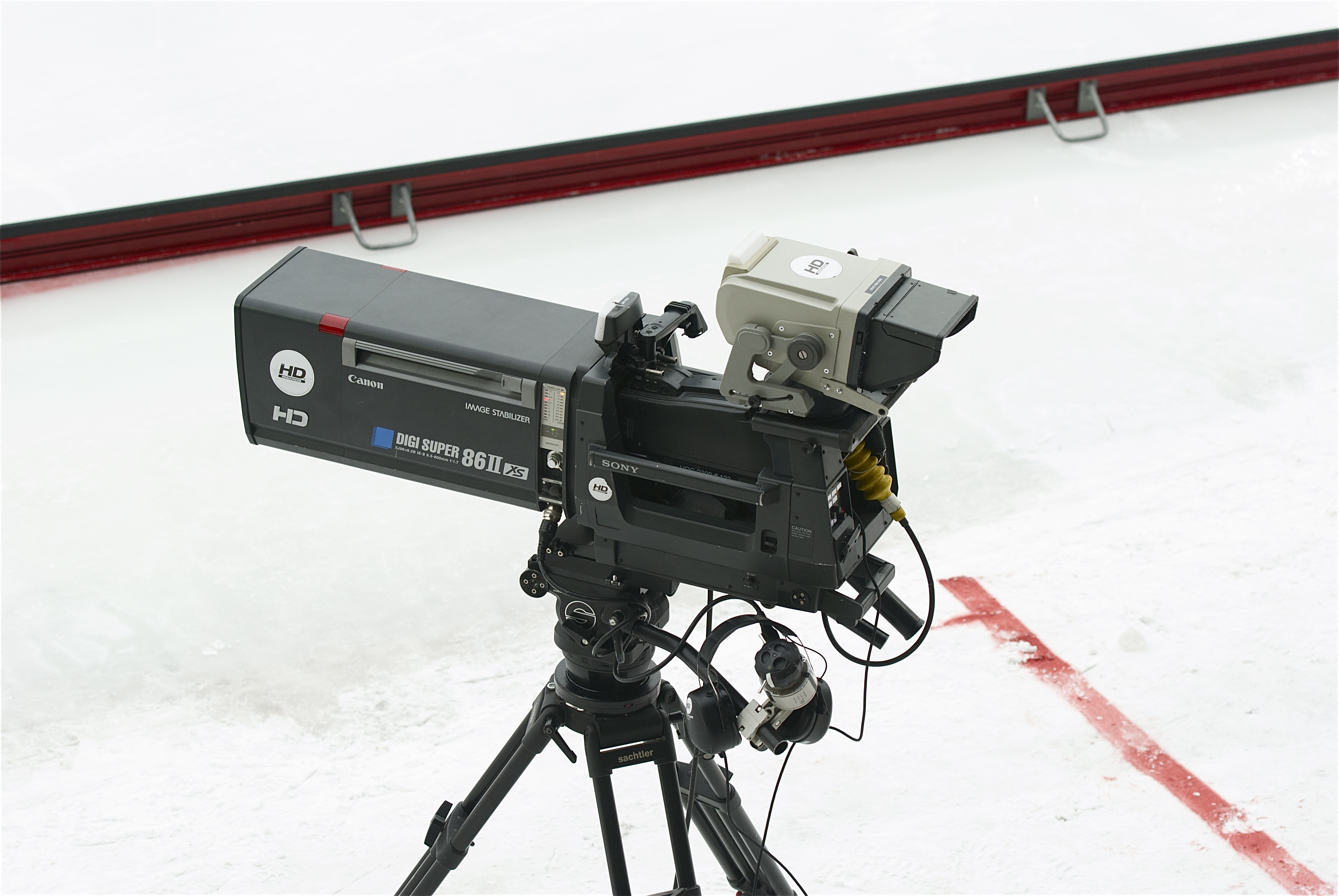
Featured Analysis

The Anchor Desk as Editorial Format: Spatial Rules and Visual Authority
The anchor desk is not merely furniture — it is a codified communication stage. This analysis examines the spatial conventions, camera framing, and editorial logic that make anchor-desk broadcasting a distinct format.
Read Analysis
On-Air Public Speaking: What Cameras Change About Delivery
How broadcast framing alters posture, pacing, and eye contact norms for speakers who address both a live room and a television audience.

Television Interview Structure: Format Logic and Format Failures
An editorial examination of how interview formats are structured, what determines question sequencing, and when the format creates blind spots.

Studio Lighting and Framing: The Invisible Grammar of Broadcast
Lighting direction, key-to-fill ratios, and camera angle conventions that shape how viewers read authority, trust, and engagement on screen.
Image Reference
From the Broadcast Archive
Visual documentation of broadcast environments referenced in our editorial analysis.
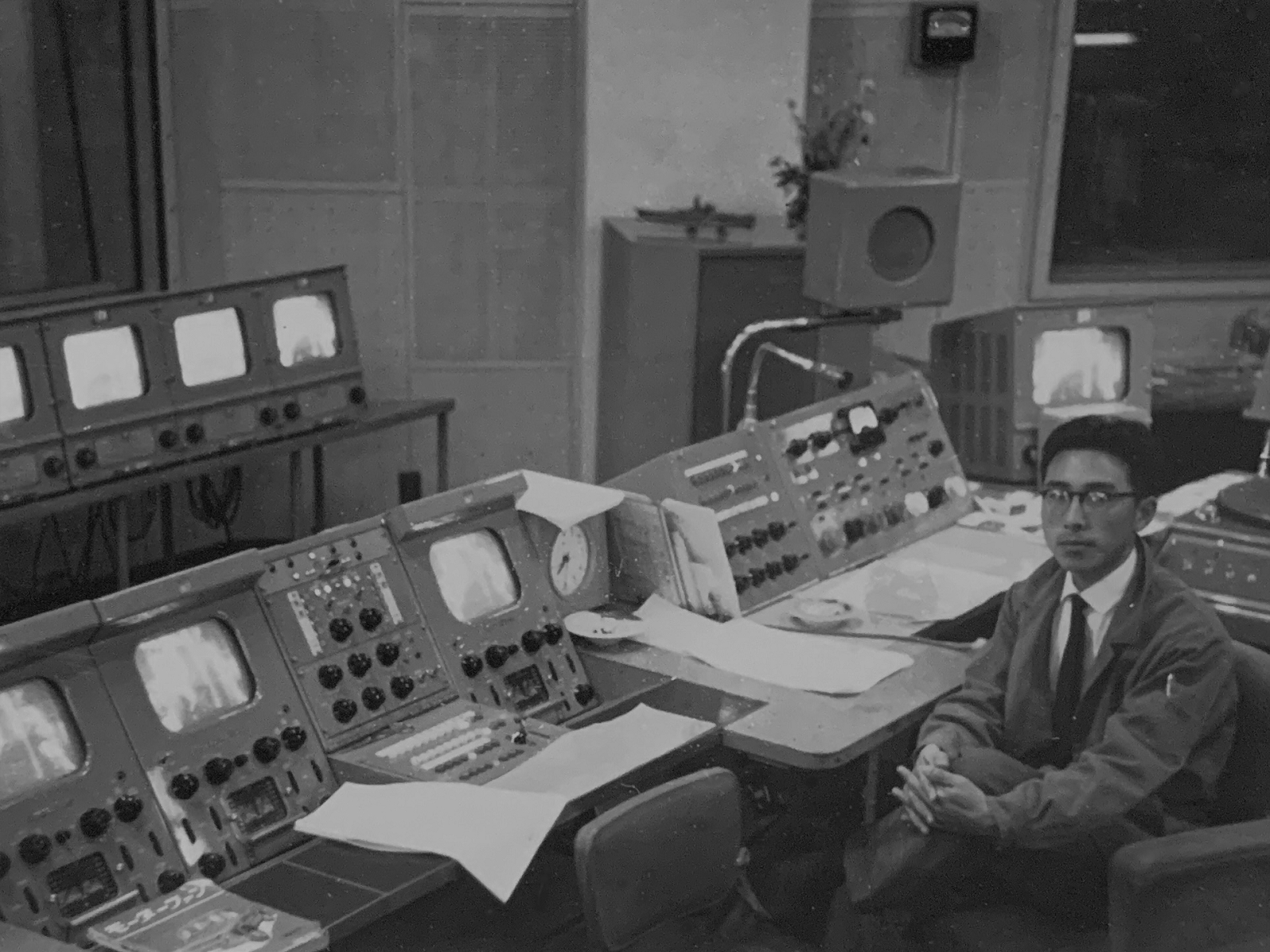
Broadcast master control room, circa 1961 — demonstrating early multi-channel switching infrastructure.
Sony broadcast camera with zoom lens — professional equipment defines the visual field in television format production.
Podium-based public address with live camera coverage — a hybrid format where speech conventions and broadcast conventions intersect.
About Oakgrove Format Lab
We publish independent editorial analysis of television formats, on-air public speaking conventions, and the structural rules that govern broadcast journalism. No data is fabricated. No sources are invented. All analysis is based on observable format patterns.
Read more about us